Deep Time Cultures, Current Crises
Event at King’s College London, Thursday 3 September, 18:00-20:00
Join us for an evening of discussion thinking about how the art and culture around deep time, palaeontology and related subjects can (and can’t) help us engage with the current world.
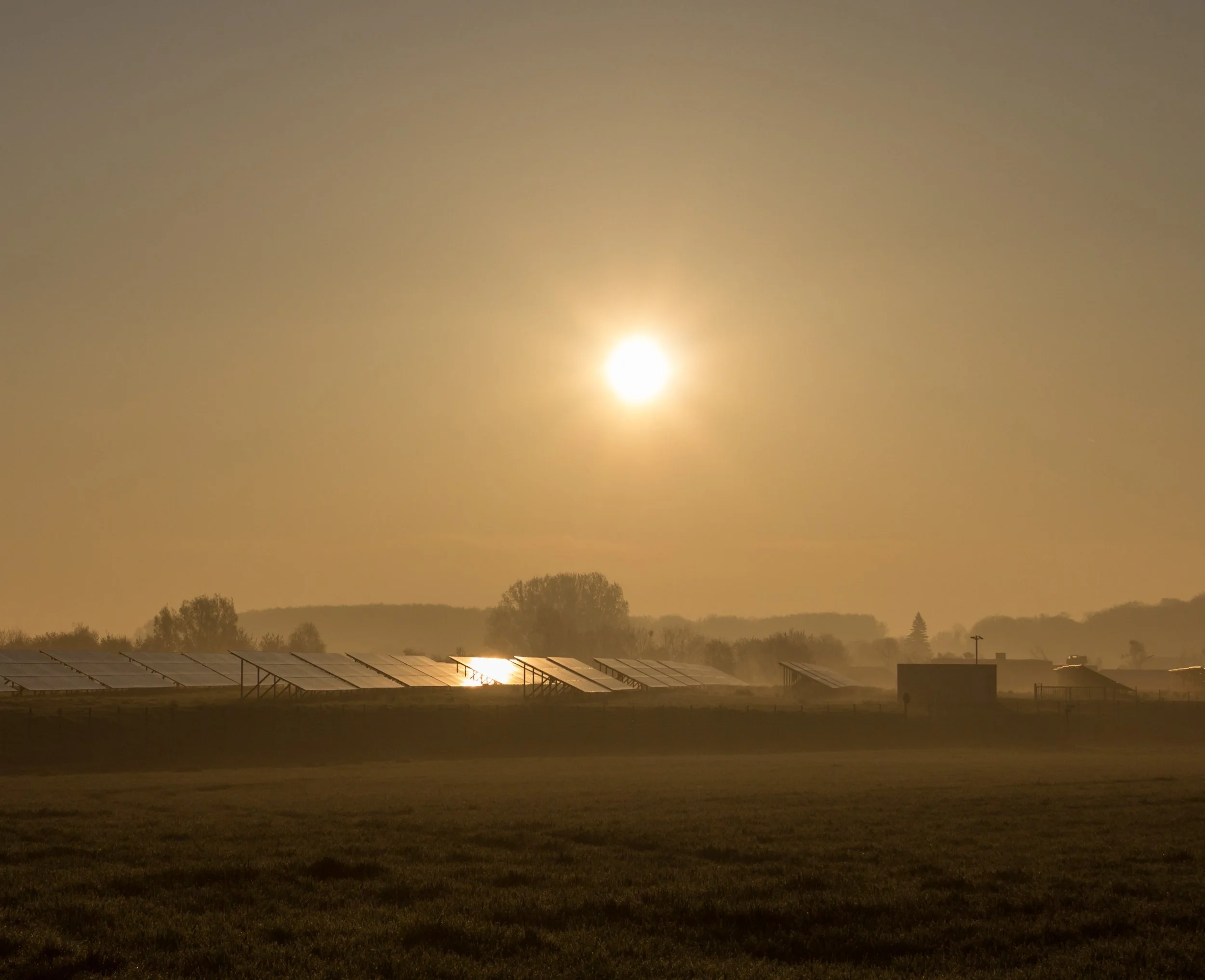
Solar Park in Dülmen, North Rhine-Westphalia. Wikipedia Commons.
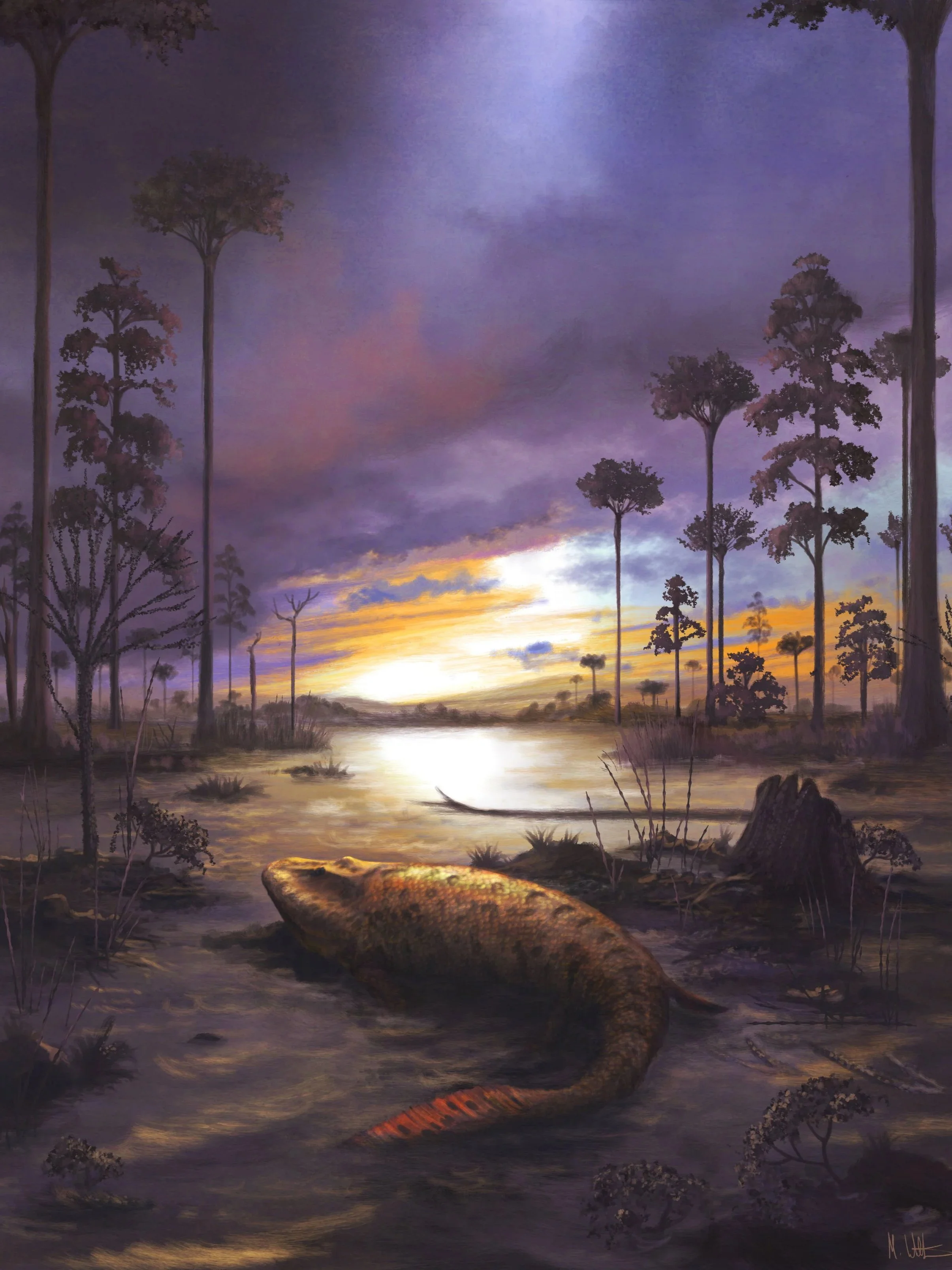
“Tiktaalik observes the Sunset.” © Mark Witton 2025
In our current moment, there are many acute senses of crisis. From climate breakdown, to biodiversity loss, international conflict, and turbulence in the economy, culture and politics, a number of overlapping challenges face us. Engaging with these requires new modes of thinking and imagining, and connecting different scales, processes and possible futures.
Can deep time and the lost worlds of prehistory and palaeontology help us? These fields show that our world is not the first one, and that many issues we are dealing with have roots going back into timescales that defy human imaginations. To understand deep time and its implications, we need science, but we also need art and creativity. So it is not surprising that in recent decades, we have seen an upsurge of ‘palaeomedia’ – art recreating extinct animals and their environments, writing which imaginatively ventures back into the deep past (and how we know about it), television showing evolution and life’s history through CGI and animation, and video games where an individual can interact with digital recreations of the deep past and extinct organisms. All of these give ways of approaching deep time, and thinking about how it might connect to our current world.
In this one evening of discussion, a number of leading artists and creatives will think about how the cultural value of palaeontology can relate to bigger concerns. How do deep time and palaeontological perspectives change the way we can think about, and engage with, our current situation? How can deep time help us imagine possible futures, as well as ancient pasts? And are there any dangers of focussing on deep time, when we are trying to understand our human timeframes?
Chair: Jamie Perera
Panelists: Jay Balamurugan, Emy Moss, Elsa Panciroli and Mark Witton
BOOKING YOUR PLACE
The event will be held at the King’s College London Strand Campus. Directions are here: https://www.kcl.ac.uk/visit/strand-campus
If you would like to attend, please fill in the following form by 13:00 on Tuesday 1 September: https://forms.cloud.microsoft/e/01MAet7hr1
Microsoft forms does not send confirmation emails to respondees, but you will see a screen confirming that your place is booked. You will receive an email on the evening on Tuesday 1 September with exact directions to the venue.
If you have any questions, or are unsure whether you were correctly registered, please email me at chris.manias@kcl.ac.uk (using the event title as a subject, so I don't miss your message!)
Please note that this event will have a limit of 50 attendees in the first instance, as a precautionary measure in case a continued heatwave would make the venues uncomfortable at maximum capacity. If predictions the week before the event state that it will be under 30 degrees for the day of the event, invitations will be sent out to a waiting list.
PARTICIPANT BIOGRAPHIES
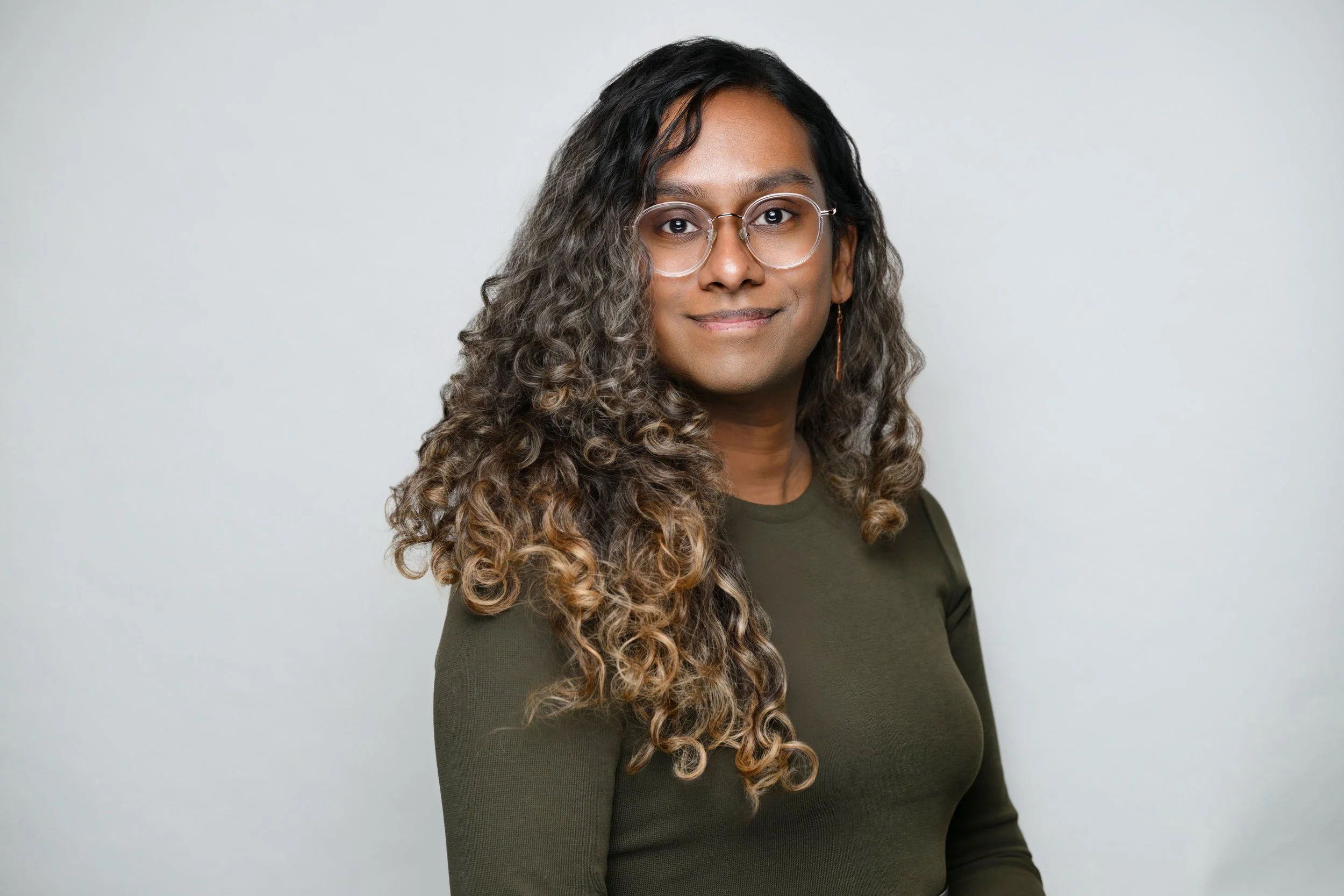
Jay Balamurugan is a TV producer, palaeoartist, and science communicator. Her TV work includes Earth (2023), Walking with Dinosaurs (2025), and Evolution (2026) at BBC Studios Science Unit - in these series, she works across many facets of production, from film shoots, to writing and directing, but her primary focus is bringing to life animals and environments from throughout deep time. Outside of television, Jay is an active palaeoartist and palaeontology enthusiast, working on personal projects that include illustrations, 2D & 3D short films, and a book proposal.
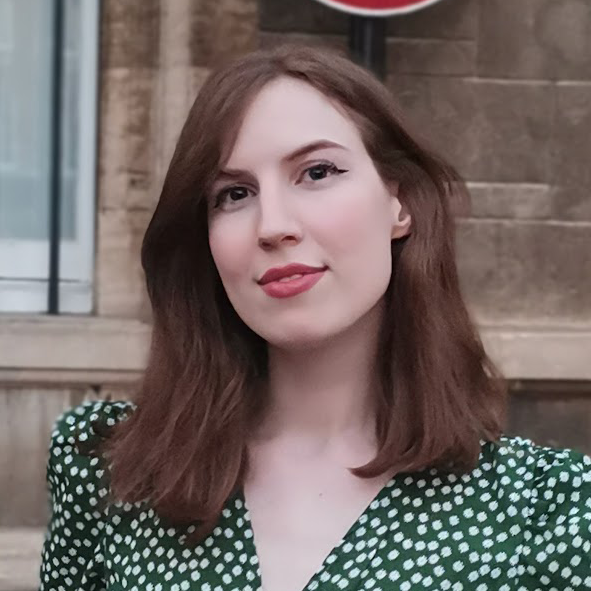
Emy Moss is a paleoartist and concept artist in the video game industry. She is currently working on the Jurassic World Evolution games, combining the latest science and research with the timeless charm of the Jurassic franchise, having helped design many recent paleo-accurate fan favourites.
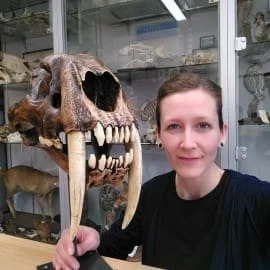
Elsa Panciroli is a palaeobiologist from the Scottish Highlands who currently works at National Museums Scotland. Dr Panciroli is an award-winning science writer and author, and has featured on various television, radio and podcasts, and as the author of Beasts Before Us: The Untold Story of Mammal Origins and Evolution (2021) The Earth: A Biography of Life (2022). She has received both the T. N. George Memorial Medal and the Halstead Award for her research and science communication to public audiences.
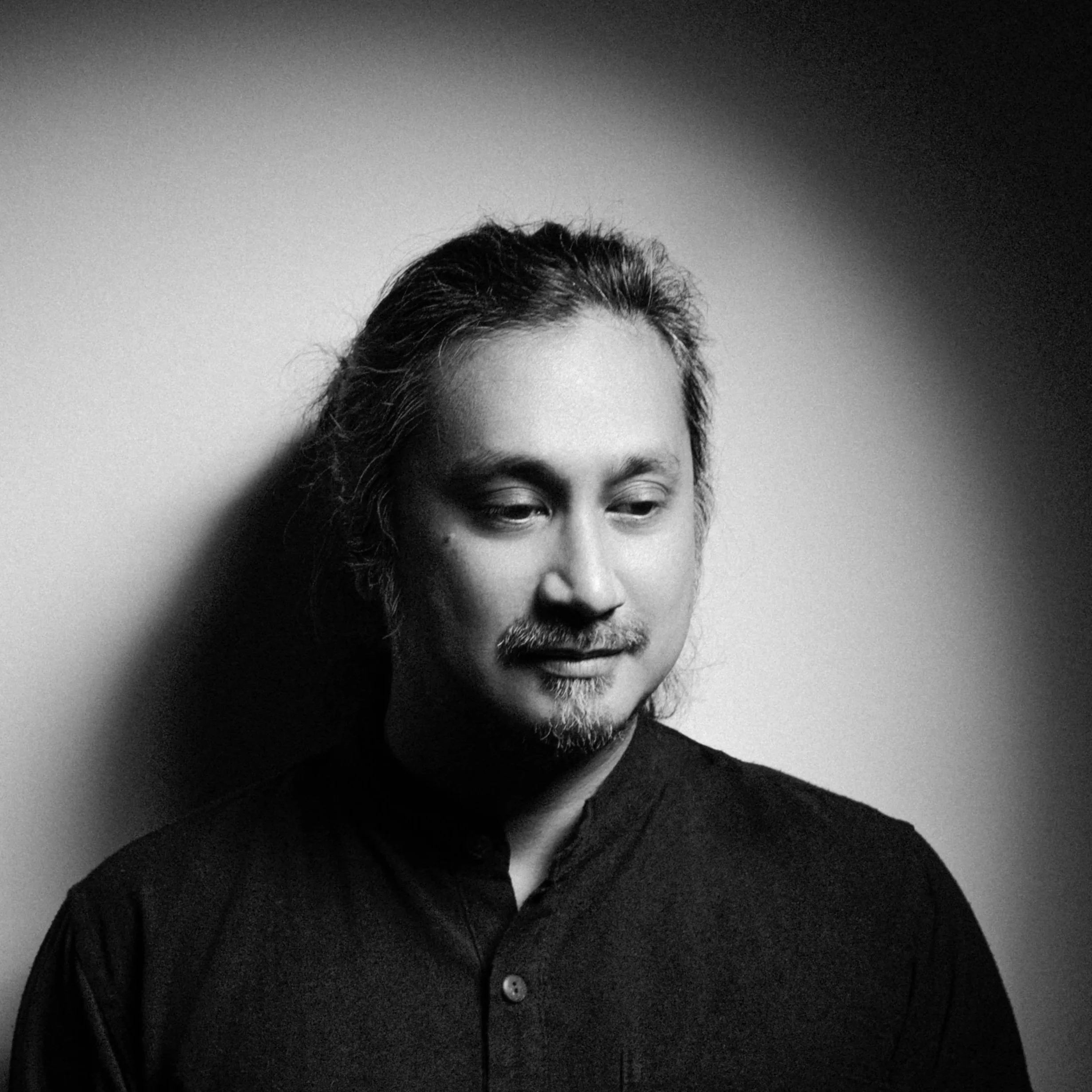
Jamie Perera: Composer, Sound Artist, Researcher & Producer. Based in London, Jamie’s work has achieved BAFTA, EMMY, SXSW, Grierson and Paul Hamlyn nominations and awards. It questions the idea of the "normal" by placing the present within deep human and planetary timescales, mapping transformations from extraction to ecology. These transformations use sound and music, whether that's turning 12,000 years of climate data into an orchestral performance, creating a ripple of endangered languages around the world, or questioning ideas around listening itself. He works from sound as methodology across immersive experiences, films, talks, writing, and live performance.
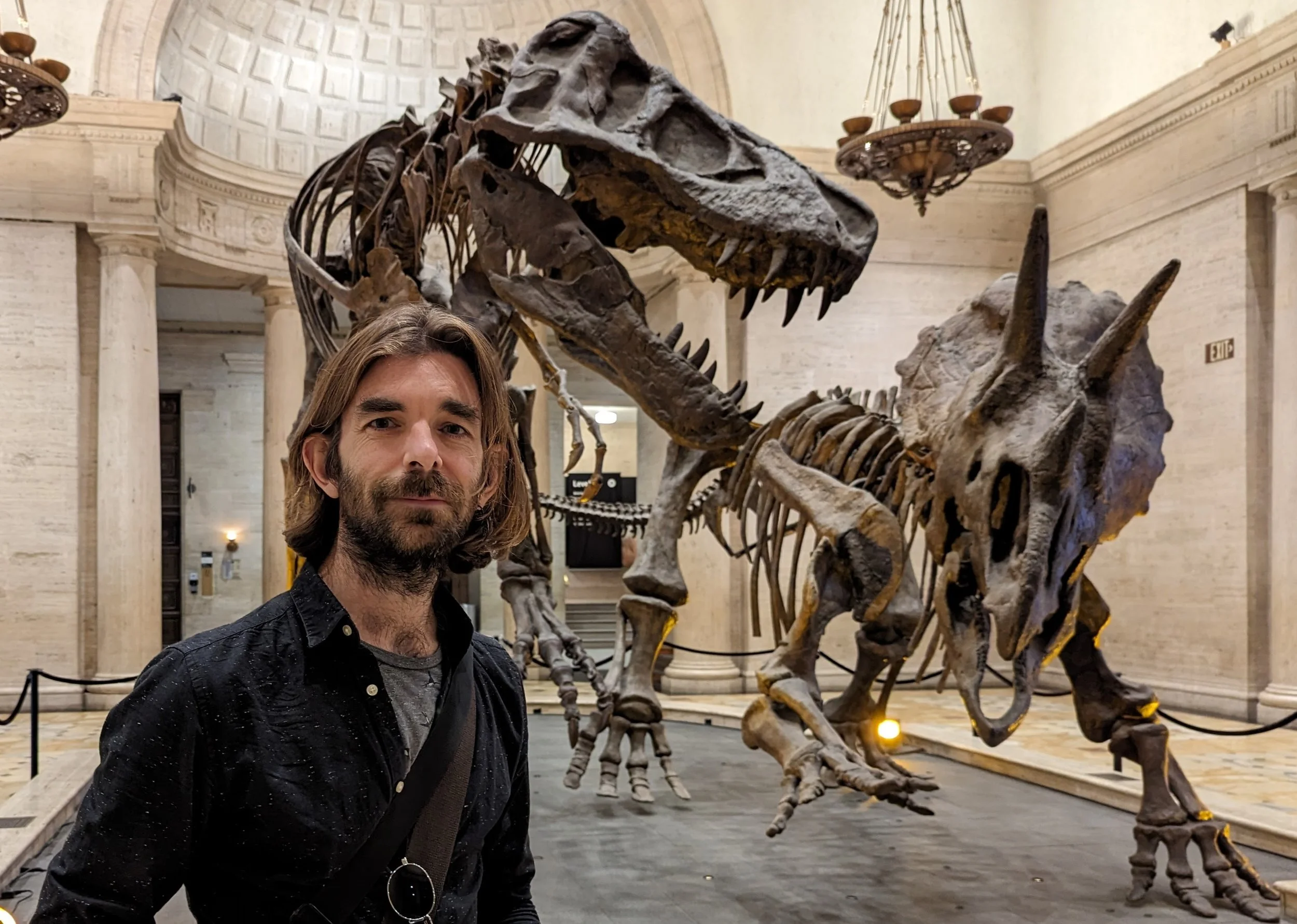
Mark P. Witton is a palaeontologist, author and palaeoartist based at the University of Portsmouth. Alongside his palaeoart, he is probably best known for his research on flying reptiles and books on various palaeontological topics, from palaeoart history and methodologies to the biology of fossil reptiles. His concept art and consultancy have been sought for a number of recent documentaries on prehistoric life, including Apple TV's Prehistoric Planet, Netflix's The Dinosaurs and the BBC's Walking with Dinosaurs.
The event is being organized by Dr Chris Manias as part of the Popularizing Palaeontology: Current & Historical Perspectives and Deep Time and the Polycrisis projects, supported by King’s College London